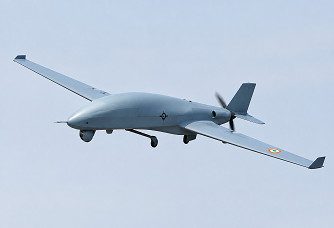
High-speed coastal movement takes a new form as Waterfly Technologies launches its electric seaglider.
The Chennai-based aerospace startup builds an electric Wing-in-Ground seaglider that flies just a few metres above the water, blending aircraft speed with the lower costs of marine craft.
Founders design the vehicle to handle coastal transport, cargo delivery, tourism and amphibious patrol without any need for runways.
SEN-1X harnesses the ground-effect phenomenon to create extra lift and cut drag while staying close to the waves. This approach offers rapid movement for medical emergencies, surveillance, and contested logistics.
Waterfly positions the craft as a practical solution for regions that lack airport infrastructure yet require fast, efficient coastal connections.
Waterfly Technologies begins operations in 2025 under founders Harish Rajesh, Keshav Kumar Choudhary, and Harshin N. The team incubates the venture at IIT Madras and focuses on Wing-in-Ground technology as an alternative form of marine transportation. The company combines the speed of aircraft with the cost advantages of ships, creating vehicles that take off from and land on water.
Also Read: Startups Turn Make in India Vision into Industrial Reality
SEN-1X flies around 2–5 meters above the water surface. At this low altitude, the craft uses the ground-effect phenomenon to generate additional lift and minimize aerodynamic drag.
The design keeps the vehicle close to the water while travelling at high speeds and eliminates the need for conventional airstrips or runways.
Reported design specifications include:
These figures represent intended design targets and do not reflect demonstrated flight performance.
Waterfly targets both civilian and defense applications for SEN-1X. For coastal transportation, the company envisions tourism, medical emergencies, and cargo shipments.
Because the craft operates directly from water, operators can reduce dependence on traditional airport infrastructure in coastal zones.
Amphibious patrol forms another key use. The vehicles fly only a few meters above coastal and shallow-water areas, supporting surveillance and rapid response. Waterfly points to fuel efficiency, lower maintenance needs, and amphibious flexibility as advantages for these missions.
In logistics, the company sees SEN-1X moving cargo, personnel, and equipment. Defense users could also deploy the craft for contested logistics, transporting troops and payloads in a distributed manner across maritime regions.
Beyond the SEN-1X, Waterfly pursues a larger vision. The startup aims to develop a 3,000-ton hydrogen-electric Wing-in-Ground craft for the intercontinental air-cargo market.
Company leaders state that future versions of the technology could deliver transportation that is significantly faster and more affordable than conventional air freight while using sustainable fuels.
SEN-1X therefore serves as the first concrete step in Waterfly’s plan to reshape coastal and long-haul movement through surface-skimming flight.







We use cookies to ensure you get the best experience on our website. Read more...