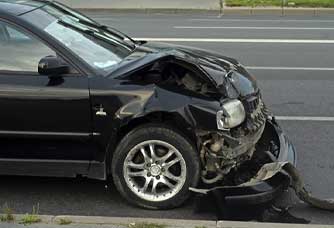
Remote oilfield roads present unique driving hazards, particularly when wildlife suddenly crosses a vehicle's path. Unlike busy highways, these roads often have limited lighting, uneven surfaces, narrow lanes, and restricted visibility. When drivers encounter deer, cattle, wild hogs, or other animals unexpectedly, sudden steering movements or emergency braking can cause commercial vehicles and pickup trucks to lose stability and roll over.
Knowing the connection between wildlife encounters and vehicle rollovers is important for oilfield workers, employers, and transportation companies. When these incidents result in serious injuries, oilfield accident claims may become relevant, particularly when unsafe road conditions, inadequate training, or employer negligence contributed to the collision.
Identifying the circumstances surrounding an accident can help injured workers understand potential legal options.
Why Wildlife Encounters Are Dangerous on Oilfield Roads
Oilfield transportation frequently involves traveling through isolated locations where animals move freely across roads. Drivers may encounter wildlife near wooded areas, grazing fields, water sources, and unpaved access routes.
Several conditions make these encounters particularly dangerous:
These hazards can combine within seconds, turning an ordinary journey into a serious accident.
How Wildlife Encounters Trigger Rollover Accidents
A driver who suddenly sees an animal may instinctively turn the steering wheel sharply to avoid hitting it. However, abrupt steering at higher speeds can shift a vehicle's weight toward one side, potentially causing it to tip over.
Heavy trucks, tankers, and utility vehicles face additional stability challenges because of their size, weight distribution, and elevated centers of gravity. If a vehicle travels onto a soft roadside shoulder, its tires may sink into loose soil, increasing the possibility of a rollover.
Emergency braking can also contribute to instability, especially when roads are wet, muddy, or covered with loose gravel. A vehicle may skid, slide sideways, or strike an embankment before overturning.
Injuries and Consequences of Oilfield Rollover Accidents
Rollover accidents can produce devastating injuries because occupants may experience multiple impacts during the incident. Common injuries include traumatic brain injuries, spinal cord damage, broken bones, internal bleeding, and severe neck injuries.
Workers may also experience emotional trauma, prolonged rehabilitation, and temporary or permanent disabilities. In particularly serious incidents, occupants can become trapped inside damaged vehicles, delaying emergency medical treatment.
Remote oilfield locations make these situations more dangerous. Long distances from hospitals, limited cellular coverage, and difficult emergency access can delay rescue operations and increase the consequences of injuries.
Preventing Wildlife-Related Rollover Accidents
Oilfield employers and transportation companies can reduce accident risks through effective safety practices. Drivers should receive training on wildlife awareness, defensive driving, and appropriate emergency responses.
Companies should also maintain access roads, improve visibility where practical, establish reasonable speed limits, and communicate known wildlife hazards. Drivers should avoid sudden steering movements whenever possible and maintain sufficient distance from other vehicles.
Key Takeaways







We use cookies to ensure you get the best experience on our website. Read more...