Expansion joints are critical elements in piping systems, designed to accommodate thermal movement, vibration, and other mechanical stresses. Their proper functioning helps prevent leaks, minimize downtime, and ensure safety in industrial operations. Understanding how to maintain these components through predictive strategies is essential for plant resilience and efficiency.
Expansion joints are found in many industries that handle fluids, gases, or process media under varying pressures and temperatures. Companies such as Belman Flexibles India play a significant role in helping operators understand the importance of these flexible components in their maintenance approach. Predictive maintenance for expansion joints focuses on anticipating problems before failures occur, contributing to greater reliability and cost savings for industrial facilities.
Understanding expansion joints and their core functions
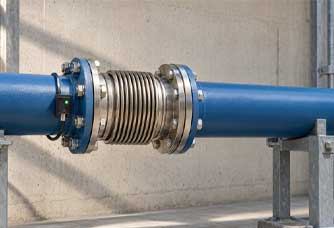
Expansion joints, sometimes called compensators, are specially engineered components inserted into piping systems to absorb expansion, contraction, and vibration. Their primary function is to manage the movement caused by temperature changes, pressure fluctuations, or equipment operation. Without the flexibility provided by these joints, fixed piping systems would be at increased risk of stress fractures or leaks.
Besides absorbing axial, lateral, and angular movement, expansion joints help reduce transmitted vibrations from pumps and other machinery. Their use can limit structural noise, protect sensitive equipment, and extend the lifespan of connected assets. By managing these forces, expansion joints support overall plant safety and efficiency.
Common risks and failure modes in expansion joints
Several unique risks impact the reliability of expansion joints. Over time, repeated thermal cycling can cause fatigue and reduce material elasticity. Mechanical vibration may introduce micro-cracks or accelerate deterioration, particularly where improper alignment or installation has occurred. These factors often lead to gradual degradation that might not be immediately noticeable.
Corrosion and erosion also present long-term threats, especially in settings with aggressive fluids or high humidity. Expansion joints often feature internal liners or protective coatings, but wear and tear can compromise these barriers. Failing to identify early deterioration may result in leaks, production losses, or costly outages. An Expansion Joint operating outside its design envelope can experience accelerated wear that is difficult to detect without targeted monitoring.
Predictive maintenance: Monitoring and early warning signals
Predictive maintenance helps operators discover faults before a visible failure occurs. For expansion joints, this involves monitoring process variables such as pressure, temperature, and movement. Routine inspection for visible cracks, leaks, or deformations is paired with more advanced approaches, like vibration analysis and acoustic monitoring.
Technology such as non-intrusive sensors or infrared thermography can signal subtle changes in operating conditions. When paired with historical data, these tools enable accurate trend analysis, allowing maintenance teams to plan interventions before issues develop into major incidents. Adopting these predictive tools results in better allocation of resources and greater operational stability, especially when the condition of an Expansion Joint is trended against baseline movement limits.
Data-driven strategies and maintenance planning
Establishing a baseline for normal operating conditions is fundamental to predictive maintenance. By collecting and analyzing data on temperature ranges, pressure cycles, and movement patterns, teams can distinguish between benign fluctuations and true indicators of stress or wear in an expansion joint. This approach shifts maintenance from a static schedule to an agile, condition-based plan.
Advanced analytics and digital asset management systems are increasingly used to track performance and automate response protocols. For example, integrating predictive signals from expansion joints with work order systems allows for timely, targeted maintenance, reducing both costs and downtime. Importantly, engineering judgment remains vital in interpreting the data to avoid unnecessary replacements or interventions.
Building resilience through robust maintenance of expansion joints
The health of expansion joints is directly linked to a facility’s reliability, safety, and operational continuity. Facilities that adopt predictive maintenance for these components benefit from a reduction in unplanned outages, lower maintenance costs, and improved safety records. Metrics such as mean time between failures, leak incident rates, and labour allocation help assess ongoing improvements and justify further investment in predictive strategies.
As industrial operations continue to evolve, the focus on maintaining expansion joints through data-driven predictive methods will only grow in importance. By proactively managing these flexible components, organizations strengthen plant resilience and support safer, more reliable production environments, while ensuring each Expansion Joint remains fit for its service conditions.







We use cookies to ensure you get the best experience on our website. Read more...