

India’s pursuit of energy security and lower carbon emissions is creating significant momentum for Bio- Compressed Natural Gas (Bio-CNG). By converting agricultural residue and organic waste into renewable gas, the sector addresses multiple priorities - reducing fossil-fuel dependence and stubble burning while generating rural income and advancing a circular economy. The Central Government’s proactive policies are further strengthening the sector by supporting market access and long-term offtake.
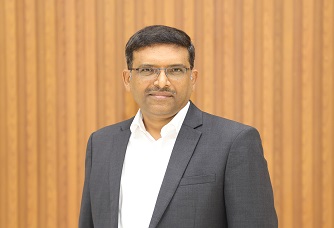
PN Gro Bio is positioning itself within this emerging ecosystem through a technology-led Bio-CNG model centred on agricultural waste. Led by Managing Director Nikhil Jukareddy, the company is developing a 7.5-tonne-per-day (TPD) compressed biogas facility designed to combine reliable production with measurable economic and environmental impact.
Building Clean Energy from Agricultural Residue
Incorporated in early 2024, PN Gro Bio emerged from Jukareddy’s ambition to combine commercial viability with a meaningful contribution to India’s energy transition. After spending nearly two decades in Australia and the US, he returned to India to pursue his interest in renewable energy and alternative fuels. His confidence in returning to India and pursuing this passion was reinforced by the Central Government’s proactive measures towards energy independence and the country’s net-zero ambitions.
PN Gro Bio has built a feedstock network spanning approximately 150 villages across 10 talukas and engaging close to 3,000 farmers. Across two agricultural seasons, it aims to source paddy straw from around 20,000 acres annually. Farmers can monetize crop residue, while diverting straw from open-field burning helps mitigate associated emissions and air pollution.
“For PN Gro Bio, this connection between agriculture and energy is central to its proposition: turn waste into a productive resource while supporting India's broader objective of increasing domestic renewable-gas production,” says Nikhil Jukareddy, Managing Director.
Technology Designed for Consistent Performance
Feedstock availability alone does not ensure a successful CBG operation. PN Gro Bio considers technology reliability equally critical and has partnered with an experienced German biogas technology provider, leveraging Germany’s established expertise in operating biogas facilities across diverse feedstocks and conditions.
Its first facility is designed for 7.5 TPD of CBG, with a targeted plant efficiency of approximately 96 percent and operations planned for close to 350 days annually.
Equipment has been selected to reduce maintenance-related downtime and improve operational reliability.
Automation and continuous monitoring are integral to the facility. Sensors and process controls will track critical parameters, while the technology partner will remotely monitor plant efficiency, biological processes and gas generation.
Quality control extends across the purification process. Raw biogas will be upgraded by removing impurities such as moisture and hydrogen sulphide, with PN Gro Bio targeting methane purity above 96 percent.
“Multiple gas-quality analysers across the purification stages will provide additional process oversight. This combination of technology, automation, preventive maintenance and process monitoring is intended to address one of the industry's fundamental requirements: producing high-quality renewable gas consistently rather than merely creating installed capacity,” highlights Nikhil Jukareddy.
Creating Value Beyond Bio-CNG Production
PN Gro Bio views a CBG plant as more than an energy-production asset. Its feedstock ecosystem creates an economic chain encompassing farmers, baling operators, labourers and transporters. According to the company, around 1,000 people can be indirectly engaged during each collection season, while approximately 100 trucks may be deployed daily during peak procurement.
The environmental and economic outcomes reinforce each other. Agricultural residue is diverted from burning, farmers derive value from waste, rural logistics generate employment, and the biomass is converted into renewable gas that can substitute conventional natural gas.
An important enabler is the Central Government’s framework for CBG offtake through Oil Marketing Companies (OMCs), with agreements extending up to 2047. Such long-term arrangements provide producers with greater revenue visibility by creating a dependable market for their output. Combined with growing clean-fuel demand, this policy support strengthens the economic viability of CBG projects within the manufacturing sector.
The model consequently aligns with India's energy-security agenda. Domestic biomethane production can reduce dependence on imported fuels while ensuring that part of the economic value generated by the energy sector reaches rural communities. For PN Gro Bio, government support, long-term offtake visibility and an organized feedstock ecosystem together strengthen the business case for sustainable CBG capacity.
From 7.5 TPD to a Broader Clean Energy Platform
With its first plant approaching commissioning, PN Gro Bio is looking beyond its initial capacity. Its proximity to Hyderabad and access to a sizeable gas market provide a foundation for expansion. The company plans to eventually scale the facility from 7.5 TPD to approximately 20 TPD, subject to operational performance, feedstock availability and funding.
For PN Gro Bio, government support, long-term offtake visibility and an organised feedstock ecosystem together strengthen the business case for sustainable CBG capacity
Its longer-term ambition is to build an aggregate production capacity of 200–300 TPD through additional locations and strategic collaborations. “PN Gro Bio is also working with its German technology partner to extend its experience into EPC development for other CBG projects, enabling the company to participate in the industry's growth beyond its own production facilities,” shares Nikhil Jukareddy.
The larger vision is to establish a replicable model where reliable technology, organised feedstock aggregation, commercial viability and rural participation work together. Backed by an enabling policy environment, PN Gro Bio sees an opportunity to grow not merely as a CBG producer but as a contributor to India's broader renewable-gas ecosystem.
As India expands its clean-energy capabilities, PN Gro Bio aims to demonstrate that Bio-CNG can deliver more than renewable fuel, advancing energy independence, creating rural economic value and supporting long-term sustainability. For Jukareddy, this alignment of enterprise, national energy priorities and environmental responsibility remains central to PN Gro Bio’s growth journey.





We use cookies to ensure you get the best experience on our website. Read more...


