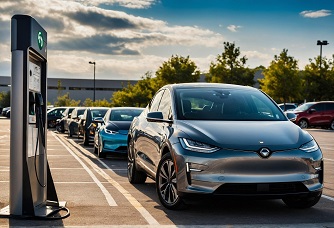
Electric cars sales in India surged 69 percent during the 32-day festive period from Navratri to Bhaidooj, outperforming petrol, diesel, and CNG models.
Retail deliveries reached 40,122 units through November 11, according to data from Dynamics. In contrast, petrol car sales declined 14.5 percent, while diesel and CNG deliveries fell 6.8 percent and 2.4 percent, respectively.
The trend highlights growing consumer preference for electric mobility, even as the broader passenger vehicle market recorded a decline. Electric vehicles accounted for 6.9 percent of total passenger vehicle retail sales during the festive period, up from 3.8 percent a year earlier.
Overall passenger vehicle deliveries fell 7.2 percent to 581,000 units from 626,000 units. The decline partly reflects a high comparison base, as last year's festive sales benefited from GST rate cuts that took effect on September 22, 2025.
Tata Motors retained its position as India's largest electric car seller, with retail sales rising 71 percent to 16,220 units. Mahindra & Mahindra recorded an 84 percent increase to 9,407 units.
Together, the two manufacturers accounted for nearly 80 percent of electric car sales during the festive period.
Key developments include:
The growing demand has also created supply challenges for automakers. Tata Motors Passenger Vehicles Managing Director Shailesh Chandra said the company was meeting only 60-65 percent of demand for its electric vehicles.
The company plans to increase monthly supplies to nearly 20,000 units over the next two to three months, from around 16,000 currently. Its EV sales rose approximately 90 percent to more than 47,000 units in the September quarter, while dealer inventory stood at about 10 days.
Also Read: How Women Leaders Are Shaping India's Electric Mobility Future
Mahindra Executive Director Rajesh Jejurikar said the shift toward electric vehicles was unlikely to reverse, even if crude oil prices declined. He attributed the trend to growing consumer awareness of lower running costs and increasing familiarity with electric vehicles.
Mahindra also said capacity constraints had limited its ability to capitalize on rising demand for electric SUVs. Its current EV production capacity of 8,000 units per month is expected to increase by another 4,000 units by February-March.
Meanwhile, factory dispatches presented a different picture. The Society of Indian Automobile Manufacturers reported double-digit growth in October dispatches, highlighting the difference between manufacturer shipments and actual customer deliveries.







We use cookies to ensure you get the best experience on our website. Read more...