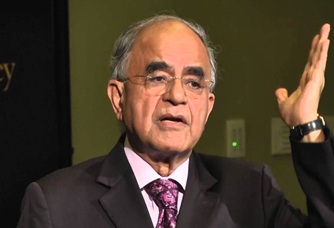
India continues to be one of the most over-regulated economies globally, author and public intellectual Gurcharan Das said while speaking at the Business & Economy Literature Fest (BELF) 2025 in Kolkata. He argued that although India has moved away from the rigid controls of the past, regulation remains excessive and continues to weigh on productivity, investment, and enterprise creation.
Das said the country has made progress since the liberalisation era, but reform momentum has slowed. According to him, regulatory complexity, frequent compliance requirements, and overlapping rules across ministries and states increase costs for businesses and discourage risk-taking. He stressed that growth cannot be sustained unless regulation becomes simpler, more predictable, and easier to navigate.
Referring to India’s trade policies, Das criticised the continued reliance on high tariffs, noting that protectionism was originally meant to support infant industries rather than function as a permanent economic tool. He said India’s image as a heavily protected market undermines its credibility as a global economic partner and reduces its ability to integrate fully into global value chains.
The discussion also focused on the broader investment environment. Biju Paul Abraham, professor of public policy at IIM Calcutta, said India has improved its domestic investment climate but faces external constraints due to global economic uncertainty, rising geopolitical tensions, and slowing international trade. These factors, he said, limit India’s room for manoeuvre even as it seeks faster growth.
Other speakers highlighted the need for Indian businesses to adapt to structural changes. Former Tata Sons director R Gopalakrishnan said companies must focus on resilience and long-term strategy rather than short-term gains. Business Standard editorial director A K Bhattacharya pointed to declining entrepreneurial ambition among younger business leaders, warning that risk aversion could weaken India’s future growth engine.
Also Read: Flipkart Acquires Majority Stake in Minivet AI for E-commerce Tech
Das concluded that India stands at a critical juncture. He said the country must use this phase to accelerate reform, reduce regulatory burden, and restore confidence among entrepreneurs and investors if it aims to sustain high growth over the long term.


.jpg "Building EV Bus Ecosystems for India's Clean Mobility Goals")
We use cookies to ensure you get the best experience on our website. Read more...