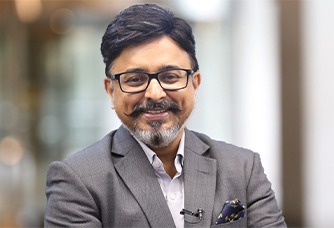
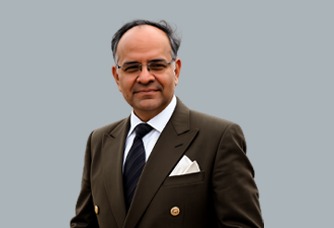
Kaushik Chakraborty, Chief People Officer of Savills India, engaged in a conversation with Thiruamuthan, Assistant Editor at Industry Outlook, discusses how leadership has evolved in the real estate and professional services sector over the last decade. He also highlighted the importance of resilience, AI integration, and a people-first culture and shares leadership traits, AI’s influence on workforce strategy, and the significance of employee engagement and onboarding.
Kaushik Chakraborty, an accomplished HR leader with over 20 years of experience, specializes in leadership development, coaching, and creating transformative work cultures. He has a proven track record in driving diversity, CSR initiatives, and organizational growth.
How do you define next-generation leadership in today’s rapidly evolving real estate and professional services landscape, and how does it differ from leadership a decade ago?
Leadership has evolved significantly over the last decade. Some competencies and leadership traits that were important or could be ignored earlier are now non-negotiable for leaders. The first trait that comes to mind is resilience. With everything happening around the world, businesses are affected by new developments almost daily or weekly. Leaders today must have the resilience to withstand the effects of these changes.
The biggest shift in the last 10 years was the pandemic, which brought resilience to the forefront. To me, resilience as a trait is critical to any leader's success, but in today’s world, it’s more so. A resilient leader can withstand pressure and navigate the business in the right direction, keeping the team motivated.
Another important shift is the growing importance of people, were business cannot happen without people, and this is where the HR plays a key role. In today’s world, the heart-to-heart connect with people has become a key element of success for leaders.
Additionally, leadership through AI is a term that didn’t exist a decade ago. Leaders must be seen as someone who moves with the times, understanding and using AI tools, even if they are not experts, to drive success in today’s world.
Sustaining a people-first culture is not just a nice-to-have but a smart business move that drives performance, trust, and growth.
AI is reshaping not only how talent is hired but how roles are designed. How do you see AI influencing workforce strategy in real estate, and which leadership decisions will determine competitive advantage over the next five years?
AI is real, and anyone running a business or function is aware of its influence. Decisions today are being driven by how AI will shape specific businesses or functions. AI readiness is critical for any organizations, teams, and individuals, as you cannot be seen as someone not using AI.
For example, major IT companies like Meta, Google, Microsoft, and Apple have all invested heavily in AI. Microsoft, in particular, has undergone a significant transformation, largely driven by AI. Investors looking at future trends will consider which companies are leading in AI innovation, as this will impact their investment decisions.
AI is reshaping workforce strategy, particularly in terms of productivity and manpower planning. AI has already led to a reduction in manpower in some conglomerates. This trend is impacting roles in IT firms, where the need for coders is decreasing, and the demand for prompt engineers is rising. The role of junior project managers is also shrinking, as senior project managers can now rely on AI tools to complete tasks.
While productivity may increase, a talent gap is emerging. Senior project managers, for instance, may rely on AI for many tasks, leaving fewer opportunities for skill-building at lower levels. This lack of bottom-up growth could create a talent crisis in the future.
Also Read: Driving Organizational Change through Effective Leadership, HR Strategies & Digitization
In a performance-driven industry like real estate, what practices enable Indian companies to sustain a people-first culture year after year, and how does this culture translate into long-term business success?
In real estate, sustaining a people-first culture is not just a nice-to-have but a smart business move that drives performance, trust, and growth. At Service, we anchor this culture in four pillars: open communication, accessible leadership, feedback through surveys like Great Place to Work, and a focus on both business and development plans for teams. Leaders maintain an open-door policy in every office, with no barriers between them and employees.
In our performance-driven industry, teams don’t just strategize business plans but also focus on development areas identified through employee feedback. Real estate, the second-largest employer after IT in India, will shape the country’s future, and investing in people is key. We empower employees with ownership, trust-based reviews, and clear career paths, believing that trusted teams deliver big. Our teams logged 4,500 hours in learning programs in 2025 alone, reflecting a commitment to constant development.
The payoff is low attrition, strong client relationships, steady leadership, and top performance. People should feel heard, empowered, challenged, and supported.
From a strategic perspective, how does employee onboarding contribute to retention, productivity, and leadership development across the organization?
To give a clear example, we at Savills India, believe onboarding is a strategic bet on retention. Onboarding isn’t just a checklist; it’s a critical moment for new hires. We call it "red carpet onboarding," where we engage employees before they join with communication and a video tour of the office. They also receive a welcome bouquet from the CEO and a personal letter, including emails sent to their family, thanking them for their support.
Offboarding is equally important. We send a thanking note on the employee's last day. Similarly, when employees get promoted, their families receive the first communication. This emphasis on family connections, especially during COVID and work-from-home arrangements, strengthens long-term organizational ties and ensures employees feel cared for and heard.
With a multi-generational workforce spanning millennials to Gen Z, how do you align diverse expectations around a shared purpose and performance mindset?
To this point, 62% of our workforce is under 35, with nearly 25% being Gen Z, though we also have consultants over 60. For instance, at our organization, we believe in multi-generational collaboration. In large meetings, we ensure at least four generations are present to foster inclusivity. This creates a shared purpose built on clear expectations, rock-solid values, and inclusive leadership, where everyone aligns with the same goals and performance standards.
Managers are trained to adapt their communication styles to bridge generational gaps, foster psychologically safe teams, and blend empathy with accountability. We emphasize mentorship, with internal and reverse mentoring programs, where Gen Z mentors senior leadership. This creates a culture of trust, deep listening, and mutual respect.
Across industries, aligning diverse expectations around a shared purpose is crucial. As mentioned, it is essential for organizations to create purpose-driven environments with buy-in from all levels. Whether embracing AI or technology, organizations that listen and adapt will thrive long-term in any industry.
Also Read: Skilling India's Workforce: Building a Future-Ready Nation
Looking ahead, what is India’s roadmap for integrating technology, leadership, and human connection into a future-ready operating model, and what lessons can the wider industry draw from this approach?
Future readiness relies on the convergence of technology, leadership, and human connection. Now bringing Savills India as a clear example, we embraced a paperless model from the start, managing the entire employee lifecycle online. Few organizations in the industry have achieved this level of digital integration. We adopted Workplace, a corporate version of Facebook, which became a case study for effective people engagement. When COVID struck, our strong technology foundation allowed us to transition smoothly, keeping teams connected across the country. A future-ready organization leverages both technology and human connection to navigate crises and ensure long-term success.


.jpg "Building EV Bus Ecosystems for India's Clean Mobility Goals")
We use cookies to ensure you get the best experience on our website. Read more...