Electric two-wheeler maker Ultraviolette is expanding its manufacturing footprint with a new facility in Hosur, Tamil Nadu, as the company prepares for the next phase of growth in India and overseas markets.
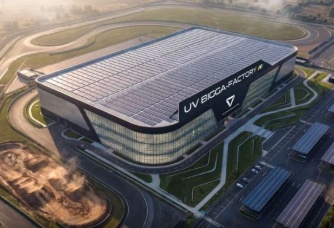
The company plans to invest Rs 779 crore over the next five years in its new BIGGA (Big Global Ambition) Factory. The facility will initially scale up to an annual production capacity of 2.5 lakh vehicles, while its infrastructure will be designed to eventually support 5 lakh vehicles annually.
The expansion will complement Ultraviolette’s existing Bengaluru plant and strengthen its ability to manufacture products across multiple electric two-wheeler segments.
The new BIGGA Factory will be developed in phases, with the planned Rs 779 crore investment covering the facility’s expansion to a production capacity of 2,50,000 vehicles per year. According to Ultraviolette Co-founder and CEO Narayan Subramaniam, the company could pursue a more aggressive expansion in the future as demand for electric vehicles continues to rise.
The facility will manufacture the company’s Tesseract electric scooter and provide additional capacity for its upcoming product portfolio. Ultraviolette plans to operate across segments including Sports, Crossover, Cruiser, Street and Scooters, indicating a broader product strategy rather than relying on a single vehicle category.
The new manufacturing base is expected to create nearly 2,000 employment opportunities, with the workforce potentially increasing as operations scale over the next five years. The investment also reflects the growing importance of manufacturing scale as electric two-wheeler companies move from early adoption towards wider market penetration.
The choice of Hosur is closely linked to the region’s established automotive ecosystem. Tamil Nadu has developed into a significant manufacturing destination, supported by a strong supplier base, logistics connectivity and a concentration of automotive companies.
For Ultraviolette, the location also offers proximity to its existing supplier network and R&D operations. This can help the company improve coordination between product development, sourcing and manufacturing while supporting a more responsive supply chain.
Ultraviolette Co-founder and CTO Niraj Rajmohan highlighted Hosur’s manufacturing advantages, including its established automotive ecosystem and supply-chain strengths. The location provides more than additional factory space; it gives the company access to an industrial ecosystem that can support production at scale.
The facility will operate alongside the company’s existing manufacturing plant in Bengaluru, Karnataka, creating a larger production network as Ultraviolette expands its presence in the electric mobility market.
The investment comes at a time when India’s electric two-wheeler market is moving towards greater product diversity, manufacturing scale and technological development. For manufacturers, the ability to increase output efficiently is becoming increasingly important as customer demand evolves and new vehicle categories emerge.
Ultraviolette’s planned capacity also indicates that the company is preparing for demand beyond its current portfolio. Designing the BIGGA Factory to support 5 lakh vehicles annually provides room for future expansion without requiring an entirely new manufacturing base.
The company is also looking beyond the domestic market. The new facility is expected to provide the infrastructure needed to support Ultraviolette’s growth across India and international markets.
While the immediate investment is tied to reaching 2.5 lakh units of annual capacity, the larger manufacturing architecture gives Ultraviolette flexibility to respond to future market conditions. As the electric mobility industry becomes more competitive, manufacturing scale, supply-chain efficiency and the ability to introduce products across segments could become critical differentiators.
With the BIGGA Factory, Ultraviolette is therefore positioning manufacturing capacity as a strategic foundation for its next growth phase rather than simply an expansion of production infrastructure.
.jpg "Textile Special")





We use cookies to ensure you get the best experience on our website. Read more...