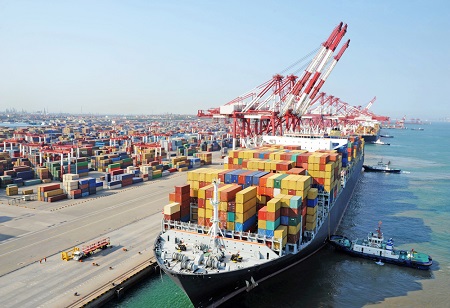
.jpeg "Machinery at its Peak")
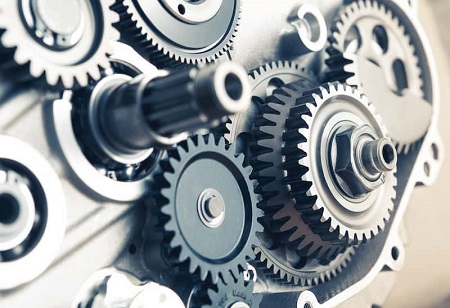
India’s machinery and manufacturing landscape is entering a phase where scale, precision, and execution are converging in meaningful ways. High-value contracts and global collaborations are reinforcing confidence in India’s ability to deliver complex engineering outcomes across sectors that demand reliability, technological depth, and long-term performance. This momentum reflects years of capacity building now translating into tangible industrial outcomes.
A key indicator of this shift is Godrej’s agreement with Pratt & Whitney, which strengthens India’s aerospace manufacturing capabilities and integrates domestic facilities deeper into global aviation supply chains. In rail infrastructure, Siemens securing a ₹1,230 crore role in India’s first bullet train project underscores trust in advanced engineering, systems integration, and project execution at national scale. These developments signal how global technology leaders are increasingly relying on India for mission-critical manufacturing and infrastructure delivery.
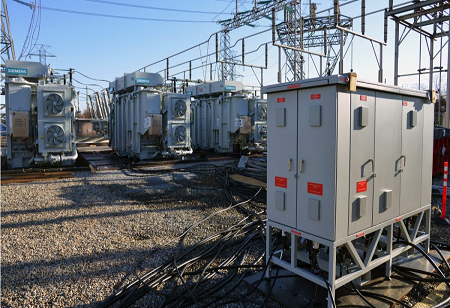
The momentum extends strongly into power, construction, and defence. Kalpataru Projects’ ₹2,372 crore orders across power transmission and building sectors highlight rising demand for engineering-led infrastructure execution. Meanwhile, Bharat Electronics’ ₹2,463 crore order from the Indian Air Force reinforces the strategic importance of indigenous defence manufacturing, electronics integration, and secure supply capabilities.
Collectively, these developments illustrate a manufacturing ecosystem that is evolving beyond volume into complexity and value. As aerospace, rail, defence, and infrastructure projects scale simultaneously, machinery manufacturing is emerging as a foundational pillar of India’s industrial growth, supporting national priorities while building long-term resilience and global credibility.
.jpg "JDS Group of Companies: Innovating Smart Solutions For Modern Power Transmission & Distribution Infrastructure")

.jpg "Engineering a Cleaner Industrial Future")

.jpg "Smart Electronics Manufacturing Powered by Advanced AIDC")
We use cookies to ensure you get the best experience on our website. Read more...