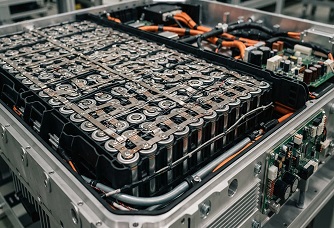
Gujarat-based renewable energy company KP Group plans to invest over Rs 5,000 crore in battery cell manufacturing.
The company is targeting a manufacturing capacity of 10 gigawatt-hours (GWh). It expects the first phase to become operational by March 2028.
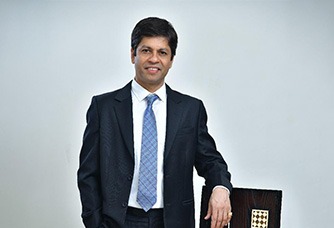
Affan Faruk Patel, Whole-Time Director of KPI Green Energy, a KP Group subsidiary, shared the plans in an interview. He said the company is entering the segment as battery energy storage systems (BESS) gain importance.
KP Group expects to launch the facility within the next 1–1.5 years. It is also working with three consultants to explore government incentives. Patel said these incentives will be important for the project's financial viability and targeted internal rate of return (IRR).
Beyond India, KP Group is looking to expand its battery storage development business in international markets. It has a 5 GWh project pipeline in Botswana and plans to explore similar opportunities in Europe after 2030.
The company is also targeting markets across Africa and the Gulf Cooperation Council (GCC) region. Its expansion plans include:
Patel clarified that these international plans focus on battery storage project development, not cell manufacturing. Under this model, KP Group develops projects, invests capital and sells the generated power.
Also Read: Reshaping Electrical Infrastructure for Green Hydrogen Adoption
In India, the company has received cumulative orders of approximately 1.5 GWh for BESS projects from Gujarat Urja Vikas Nigam Limited (GUVNL). Under these projects, it will store electricity and supply it during peak-demand periods. The company is also working on power purchase agreements (PPAs).
KP Group operates across independent power production (IPP), engineering, procurement and construction (EPC), and manufacturing. Its current renewable energy portfolio includes:
The company is also exploring opportunities in green hydrogen. It has a pilot project at its own factory and has received an order from NTPC for green hydrogen.
However, Patel said the company is still assessing the investment required for large-scale projects. He expects the larger green hydrogen opportunity to develop after 2030.






We use cookies to ensure you get the best experience on our website. Read more...