India’s ambitious coal gasification push has hit an unexpected roadblock. The government created a Rs 37,500-crore incentive scheme to accelerate projects, strengthen energy security and reduce dependence on imported LNG, urea, methanol and other products.
Yet, the scheme has attracted zero applications from both private and public sector players. The outcome raises questions about the commercial viability of coal gasification and the industry’s willingness to invest in large-scale projects.
The development also puts the government’s target of gasifying 75 million tons of coal and lignite under scrutiny.
According to the Economic Times, the coal ministry’s Request for Proposal, issued on July 7, 2026, set September 7 as the deadline for applications. However, no private or public sector company submitted an application under the scheme.
The lack of bids creates a significant challenge for the government’s coal gasification program. The scheme aims to encourage surface coal and lignite gasification while supporting wider energy and industrial objectives.
Key goals include:
· Accelerating coal gasification projects
· Reducing dependence on imported LNG, urea and methanol
· Strengthening energy security
· Supporting domestic production of fuels and chemicals
· Reducing exposure to global price volatility and supply disruptions
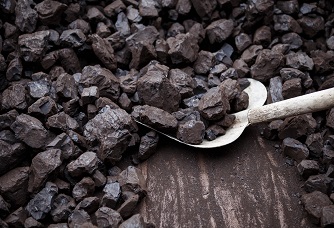
Coal gasification converts coal or lignite into synthetic gas, or syngas. Industries can use syngas as an alternative fuel and as a feedstock for products such as methanol, fertilizers, hydrogen and chemicals.
India has substantial domestic coal resources. The country holds around 401 billion tons of coal reserves and 47 billion tons of lignite reserves. Coal also contributes more than 55 per cent of India’s energy mix.
The government sees gasification as a way to extract greater value from these domestic resources while replacing some imports.
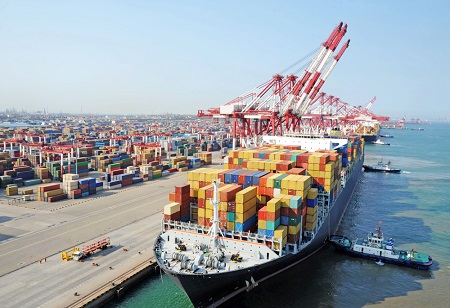
India imported key substitutable products worth approximately Rs 2.77 lakh crore in FY25, according to the report. The basket included LNG, urea, ammonium nitrate, ammonia, coking coal, methanol and DME.
The zero-bid outcome puts the spotlight on the gap between policy ambition and project participation. The government has offered a large financial incentive, but companies have not come forward with proposals under the latest program.
The scheme also builds on earlier government efforts. The National Coal Gasification Mission, launched in 2021, established the broader policy direction. In January 2024, the government approved another Rs 8,500-crore scheme. That program currently has eight projects under implementation, with a combined value of Rs 6,233 crore.
The government wants coal gasification to support domestic production and reduce import exposure. Gasification could help India produce fuels and industrial feedstocks from its own coal and lignite resources.
However, the absence of bids shows that policy support alone has not yet translated into fresh project proposals. The coal ministry now faces the task of addressing the concerns that may be keeping both public and private players away.
For India’s coal gasification ambitions, the Rs 37,500-crore scheme was designed to accelerate a strategic transition. With zero bids, the immediate priority has shifted from announcing incentives to understanding why industry has not responded.







We use cookies to ensure you get the best experience on our website. Read more...