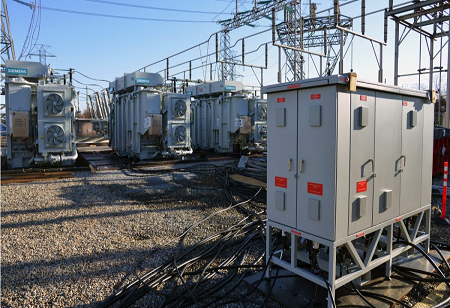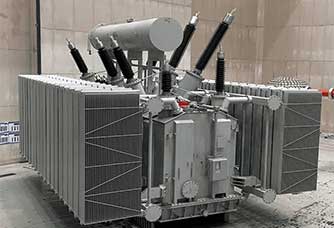
Transformers play an important role in maintaining stable power distribution across substations and electrical networks. They help manage voltage levels while supporting continuous operation across different load conditions. However, selecting the right transformer requires evaluating more than capacity or initial specifications.
Teams exploring how to select oil-filled transformers should examine them carefully to identify solutions that support predictable operation and dependable performance. Let's look at the key considerations that help in selecting the right transformer for substation applications.
Why Oil-Filled Transformers Are Used in Substations
Oil-filled transformers use insulating oil for electrical insulation and heat management, making them suitable for applications that require continuous operation and reliable performance. Their established design and operating characteristics have made them a common choice across various power distribution systems.
Nowadays, teams are also asking which oil-type transformers are typically selected for substations requiring proven technology and predictable operating behavior. Nowadays, oil-filled transformers with reliable insulation systems, effective cooling performance, suitable voltage capacity, and designs validated for continuous operation are considered for such applications. Their established operating principles make them a preferred choice where predictable performance and long-term reliability are key requirements.
Key Factors to Consider When Choosing Oil-Filled Transformers
The right selection depends on understanding the application needs, operating environment, and expected performance levels. Reviewing these aspects before installation helps teams make informed decisions and choose a transformer design that aligns with their system requirements.
Let's look at the factors that help determine whether an oil-filled transformer meets the requirements of a specific substation.
1. Match Voltage and Load Requirements
The transformer rating should align with the voltage level, connected load, and expected operating conditions of the substation. Selecting an appropriate capacity helps maintain reliable power distribution while reducing the risk of overload during peak demand.
Before selection, evaluate present load requirements, future expansion plans, and system voltage levels to identify a transformer specification that can support both current and future needs.
2. Evaluate Cooling and Insulation Performance
Oil-filled transformers use insulating oil to support both electrical insulation and heat dissipation. The cooling method and insulation system influence how effectively the transformer manages temperature during continuous operation.
Check factors like cooling arrangement, insulation quality, and operating conditions to select a transformer that can maintain stable performance under varying load conditions.
3. Consider Efficiency and Energy Losses
Transformer efficiency directly affects energy consumption and long-term operating costs. Since substations often run continuously, even small differences in losses can impact overall system performance.
Review efficiency levels, no-load losses, and load losses when comparing transformer options. Selecting an efficient design can help improve energy utilization throughout the transformer's service life.
4. Assess Installation and Operating Conditions
The installation environment plays an important role in transformer performance and maintenance planning. Factors such as ambient temperature, available installation space, and site conditions should be evaluated before deployment.
See whether the transformer design is suitable for the intended location and operating requirements to ensure reliable performance after installation.
5. Plan for Maintenance and Lifecycle Support
Maintenance requirements influence the long-term reliability of an oil-filled transformer. Regular oil testing, inspections, and condition monitoring help identify changes in transformer health and support timely maintenance decisions.
Go through transformer designs that allow easier monitoring and planned servicing. This approach helps reduce unexpected interruptions and supports consistent operation throughout the equipment lifecycle.
Choose the Right Oil-Filled Transformer for Your Substation
Selecting an oil-filled transformer requires understanding application requirements, operating conditions, and long-term performance expectations. Working with reputed electrical partners can further support the selection of transformer solutions designed to meet specific substation requirements while maintaining dependable operation over time.
Partnering with reputed electrical firms can help review the proposed rating, cooling arrangement, insulation system, efficiency requirements, and site conditions against the intended application. Ask shortlisted suppliers for technical documentation, loss figures, maintenance requirements, applicable standards, and lifecycle support details.
.jpg "Saksham Enterprises: Optimizing Mission- Critical HVAC Infrastructure For The High Precision Sector")

.jpg "JDS Group of Companies: Innovating Smart Solutions For Modern Power Transmission & Distribution Infrastructure")




We use cookies to ensure you get the best experience on our website. Read more...